

PlayZone: Play & Earn Money
Money Turn
I approached PlayZone: Play & Earn Money with a simple question: does an entertainment app that rewards play and completed tasks fit naturally into everyday spare time, or does it turn a relaxing break into another chore? My experience is that its main appeal is the combination of casual activities with the possibility of receiving rewards through PayPal or gift cards. That makes it more interesting than a basic time-killer, but it also means I pay attention to the effort behind each task instead of treating every available activity as equally worthwhile.
PlayZone is a free entertainment app from Money Turn, aimed at mature users aged 17 and over. It has reached over 500 thousand installs and holds a 4.5 average from around 2.9 thousand ratings, which suggests that the idea has found an audience. The current version is 1.1.5, and it runs on Android 7.0 or later. Those details make it accessible to people using older Android phones, although the mature age classification is important: I would not treat it as a general family rewards app.
How PlayZone Turns Spare Time Into Reward Progress
The capability that matters most
The central capability is straightforward: I can play games, complete tasks, and work toward real-cash rewards rather than collecting points with no obvious use. The difference is practical. A normal casual game asks for my attention and gives me entertainment in return. PlayZone adds a second possible outcome, so a short session can feel more purposeful when I already have a few unused minutes.
That does not make the app a replacement for paid work. I see it as a small-reward entertainment tool, not an income source. The right mindset matters because the value comes from combining brief sessions over time, not from expecting a dramatic payout after installing it. If I open it while waiting for an appointment, I can regard the activity as a bonus on top of the break itself. If I open it specifically to earn money for hours, the experience becomes much less attractive.
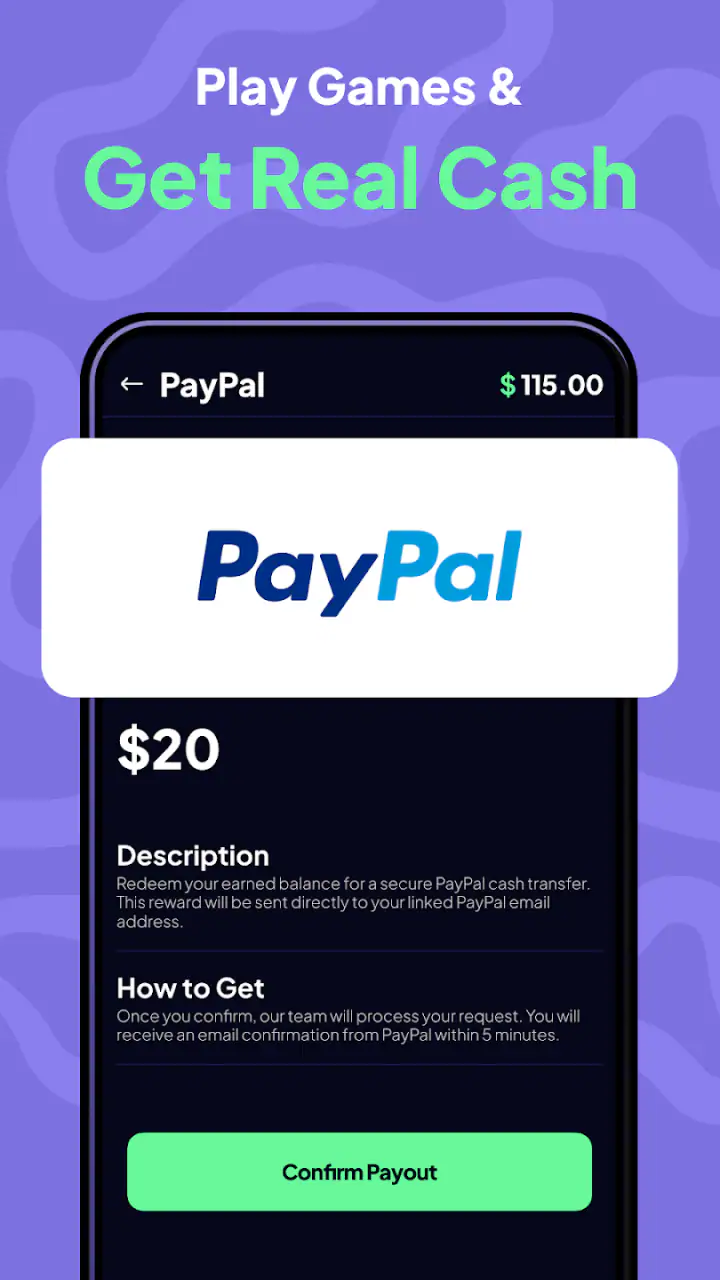
The reward choices are also relevant. PayPal is useful for people who prefer a digital cash balance, while gift cards may suit someone who already shops with a supported retailer. Having both routes makes the concept more flexible than an app tied to one kind of redemption. Still, I would choose a reward method based on how I normally spend, rather than assuming every option has the same practical value.
Related News

Why WhatsApp Messenger Still Makes Everyday Communication Feel Easy

Jurassic World: The Game Is the Better Dino Tycoon for Strategic Players

Threads in Real Life: Who Should Join, Lurk, or Leave

How SHEIN Turned Shopping Into an Endless Content Feed

How to Make Fortnite Feel Smarter on Mobile

Should You Switch to Microsoft Outlook on Mobile?
What using it feels like
The important workflow is not simply launching a game. I first look at the available activity, decide whether the task fits the amount of time I have, and then consider whether continuing is sensible. That small pause is valuable. It stops me from starting something that requires more attention than I want to give during a short break.
I also treat progress as something to monitor rather than something to chase blindly. When an app combines entertainment and rewards, it is easy to keep going because the next milestone feels close. My advice is to set a personal stopping point before beginning. For example, I might use one short session while commuting as a passenger, then close the app when I arrive instead of extending the session just because progress is visible.
This approach highlights one of PlayZone’s less obvious strengths: it can give structure to otherwise empty time. I am not searching randomly for a game and then wondering why I installed it. I am choosing an activity with a reason for starting. That said, the same structure can make the experience feel transactional if I stop enjoying the activity itself.
Gallery
How I would handle the first session
On a first visit, I would not begin by committing to the longest-looking task. I would explore the available choices, read the wording carefully, and pick something that matches my normal habits. Someone who dislikes switching between activities will probably prefer a simple, repeatable routine. Someone who gets bored quickly may value variety more, even if changing tasks requires extra attention.
I would also keep expectations modest until I understand the app’s rhythm. The headline idea of earning real cash is appealing, but the useful question is how much effort I personally want to exchange for a reward. That answer differs from person to person. A student with small gaps between classes may find those sessions worthwhile, while a busy professional may decide that the same attention is better spent on a conventional game with no reward tracking.
One practical habit is to separate entertainment time from reward time. If I want to relax, I should not force myself to continue an activity that has stopped being fun. If I am deliberately completing a task, I can judge it by the progress it creates. Mixing those two goals without noticing is where disappointment usually begins.
A realistic everyday scenario
Imagine I have fifteen minutes before a bus arrives. I open PlayZone, choose an activity that looks manageable within that window, and play without expecting a complete reward cycle immediately. When the bus arrives, I stop and continue another day if the task makes sense. In this situation, the app works because it gives a little direction to time I already had available.
Now compare that with opening it late at night when I am tired and hoping to build rewards quickly. I may make poorer choices, overlook task details, or keep playing longer than planned. The same capability that feels useful during a spare moment can become irritating when I use it under pressure. The app is therefore best matched with low-stakes downtime, not urgent financial needs.
Where it sits among entertainment alternatives
Compared with a standard free-to-play game, PlayZone offers a possible external reward, which is its clearest point of difference. A conventional game may provide deeper progression, richer storytelling, or more polished long-term play, but it does not connect my activity with PayPal or gift-card redemption. PlayZone is more appealing when the reward layer matters.
Compared with survey and task apps, its entertainment focus may feel less dry. I would rather spend a short break playing than answering a long series of questions, especially when I want something interactive. The trade-off is that people seeking predictable, clearly defined tasks may prefer a dedicated survey service. Those platforms often make the work feel more direct, while PlayZone asks me to accept entertainment as part of the exchange.
It also differs from cashback tools. Cashback apps reward purchases I was already planning to make, whereas PlayZone is built around activities and tasks. That means it can be used without shopping, but it also means I am spending attention rather than simply receiving a benefit from an existing purchase. For me, that makes the app more suitable for spare-time use than for everyday savings.
The friction behind the reward idea
The first limitation is that rewards do not remove the need to evaluate effort. “Free” describes the app’s price, but my time is still a resource. I would not use it to replace a dependable side-income option, and I would not recommend it to anyone who needs money for a bill or deadline. The entertainment value has to carry part of the experience.
The second limitation is motivation. If I care only about the payout, ordinary gameplay can start to feel repetitive. A person who already enjoys casual games may see the reward system as a pleasant extra. A person who dislikes game-like tasks may find that the reward does not compensate for the attention required. This is a personal trade-off, not something an average rating can decide for me.
There is also a mental cost to switching between play and checking progress. I find it helpful to decide in advance whether a session is for relaxation or reward progress. Otherwise I can end up interrupting the activity repeatedly to think about the result, which makes both goals less satisfying.
Questions I would consider before installing
The first question is whether the app is genuinely free to start. PlayZone is listed as free, so there is no purchase price standing between an Android user and the initial experience. I would still approach any reward app carefully, read each task instruction, and avoid assuming that “free” means effortless or guaranteed income.
The next question is whether rewards can be received in a useful form. PayPal and gift cards cover two familiar choices, so I would select the one that matches my normal spending. If I rarely use digital gift cards and do not want another balance to manage, PayPal may be the more convenient route. If I prefer shopping credit, a gift card may feel more tangible.
Another question is age suitability. The mature 17-plus classification means I would not hand the phone to a younger child simply because the app involves games. Parents should treat the rating as a real boundary and choose a separate age-appropriate entertainment option when necessary.
Finally, I would ask whether my phone can run it. Android 7.0 compatibility gives it a broad technical reach, including older devices. That is helpful for users who do not upgrade often. Even so, I would keep enough storage and battery available for comfortable use, particularly if I plan to play during travel or between other activities.
Small habits that improve the experience
My first useful habit is to choose tasks by available time, not by the size of the promised reward. A short break calls for a short commitment. Starting a demanding activity when I only have a few minutes creates unnecessary frustration and makes it harder to judge whether the app suits me.
My second habit is to use a simple personal log. I do not need anything elaborate; noting the activity, the time spent, and the progress I noticed is enough. This helps me identify which kinds of sessions feel worthwhile. It also prevents the vague impression that I have been busy without knowing whether the experience delivered anything useful.
My third habit is to keep the app in its proper category in my mind. PlayZone is entertainment with a reward angle, not a financial planning tool. I would never budget around its rewards or treat them as dependable income. That distinction protects the enjoyable side of the app and keeps expectations realistic.
A fourth tip is to stop when the activity stops feeling entertaining. This sounds obvious, but reward systems encourage “just a little longer” thinking. If I am continuing only because I feel committed, the time may no longer be worth it. The app works best when I can close it without feeling that I have wasted the session.
Who gets the most from it
PlayZone makes the most sense for adults and older teens who already enjoy casual mobile games and want a possible reward layer. It is particularly suitable for people with irregular pockets of free time: waiting rooms, quiet breaks, travel as a passenger, or a few minutes between household tasks. The ability to choose entertainment rather than a purely administrative task is the main reason I would recommend trying it.
It is also a reasonable fit for users who like having a clear purpose when they play. Some people find ordinary casual games empty after a few sessions. For them, working toward PayPal or gift-card rewards can add a little direction. The benefit is psychological as much as practical: the session feels organized rather than entirely disposable.
I would skip it if I need guaranteed earnings, dislike reward tracking, or want a deep game with a carefully developed story and long-term progression. I would also skip it for younger children because of the mature age classification. Someone focused on saving money from purchases may get better results from cashback tools, while someone who wants direct, predictable microtasks may prefer a dedicated task platform.
My final take after weighing the trade-offs
What I like about PlayZone is the clear connection between casual activity and a possible real-world reward. The PayPal and gift-card options make the idea easy to understand, and the free entry point lowers the barrier to testing it. Its strong average rating and growing install base also show that the format appeals to many users, although I still think personal expectations matter more than popularity.
What keeps me from calling it a universal recommendation is the time trade-off. Rewards do not automatically make every task worthwhile, and the experience can lose its relaxed character if I chase progress too aggressively. I get the best results when I choose a manageable activity, use spare time I already have, and regard any reward as an extra rather than a promise of income.
My recommendation is therefore specific: try PlayZone if you want entertainment that may lead to PayPal or gift-card rewards and you are comfortable judging each session by the time it takes. Do not install it expecting a substitute for work or a guaranteed financial solution. Used with that boundary, the app’s real strength is turning otherwise idle play into a more purposeful break.
FAQs for PlayZone: Play & Earn Money
What is PlayZone: Play & Earn Money, and how does it work?
PlayZone: Play & Earn Money is a rewards app that lets users discover and play selected mobile games while collecting points or virtual rewards. In general, you earn by completing game-related tasks, reaching milestones, or spending time in supported titles. The available activities, reward rates, and eligibility requirements may vary by country, device, and current promotional offers.
Can I really earn cash with PlayZone: Play & Earn Money?
The app may allow eligible users to exchange accumulated points for cash, gift cards, or other rewards, depending on the redemption options available in their region. However, it should not be considered a reliable source of income. Earnings are usually modest and require consistent participation, and some offers may have limits, verification steps, expiration dates, or minimum withdrawal thresholds.
How do I redeem my rewards in PlayZone: Play & Earn Money?
After reaching the required balance, you can typically open the rewards or withdrawal section and choose one of the available redemption methods. The exact options may include digital gift cards, payment services, or other regional alternatives. Before starting an offer, check its terms carefully, because processing times, minimum balances, identity verification, and availability can differ between users.
Is PlayZone: Play & Earn Money safe to use?
As with any rewards platform, safety depends on how the app handles personal information, permissions, advertising partners, and payment details. Download PlayZone only from an official app store, review its privacy policy, and avoid sharing unnecessary sensitive data. Never pay money to unlock a withdrawal, and be cautious if a third-party offer requests unusual permissions or financial information.
What should I know before downloading and using the app?
PlayZone may be appealing to users who already enjoy casual mobile games, but rewards often depend on completing specific conditions rather than simply installing a game. Read each offer’s instructions, keep tracking permissions enabled only when comfortable, and avoid using VPNs or multiple accounts, as these actions can invalidate rewards. Also check device compatibility, regional availability, advertising frequency, and user reviews before committing time.
Pros
- Offers multiple casual games in one app.
- Simple interface makes it easy to start playing quickly.
- Rewards can add extra motivation to play regularly.
- Suitable for short gaming sessions on mobile devices.
- New users can explore different game types without extra downloads.
Cons
- Earnings may be small compared with the time required.
- Reward availability can vary by country or region.
- Some features may require watching advertisements.
- Cash-out rules and minimum thresholds may limit withdrawals.
- Performance and reward tracking may depend on a stable internet connection.


